

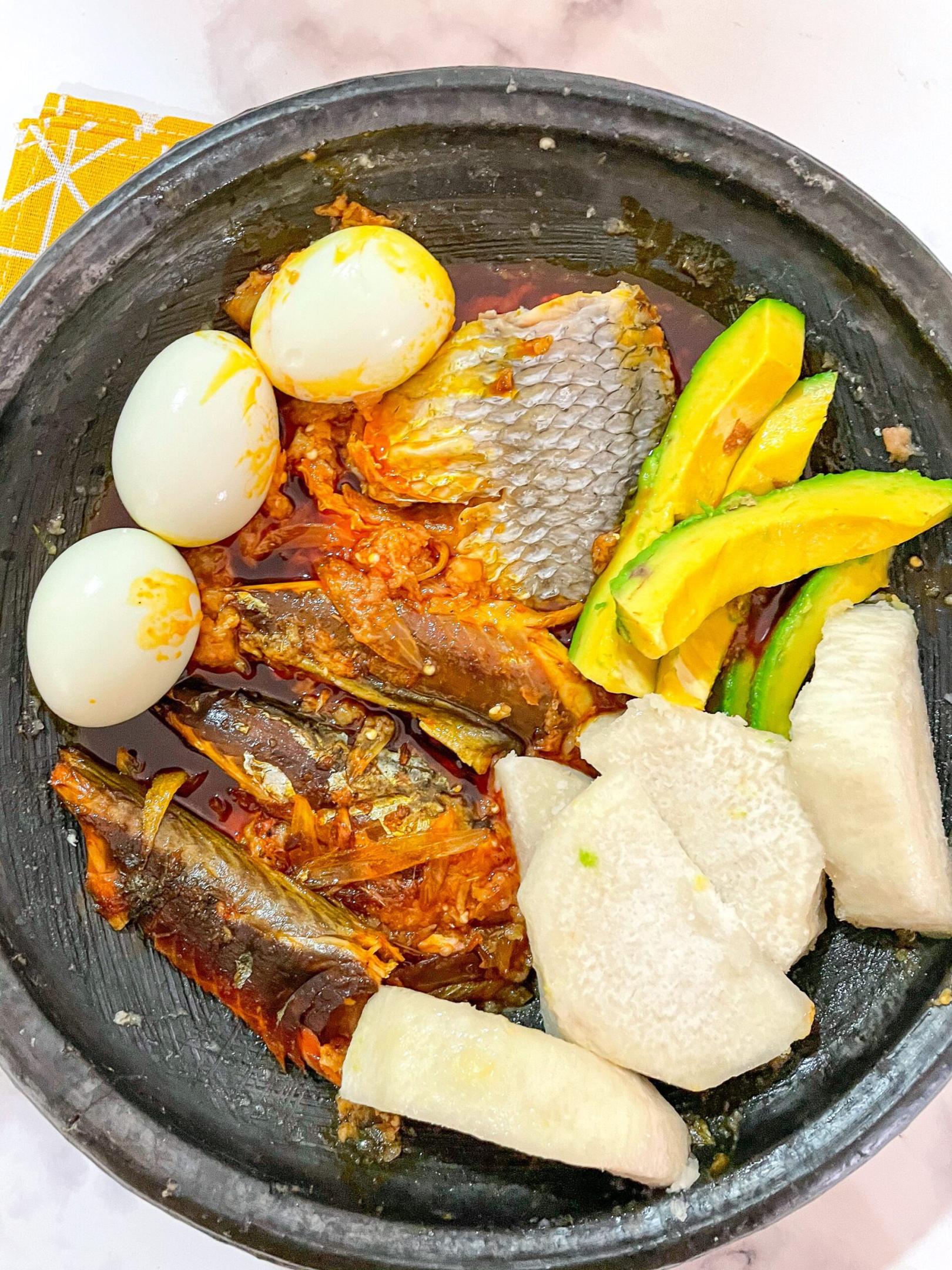
By Aba, Ghanaian Nutritionist
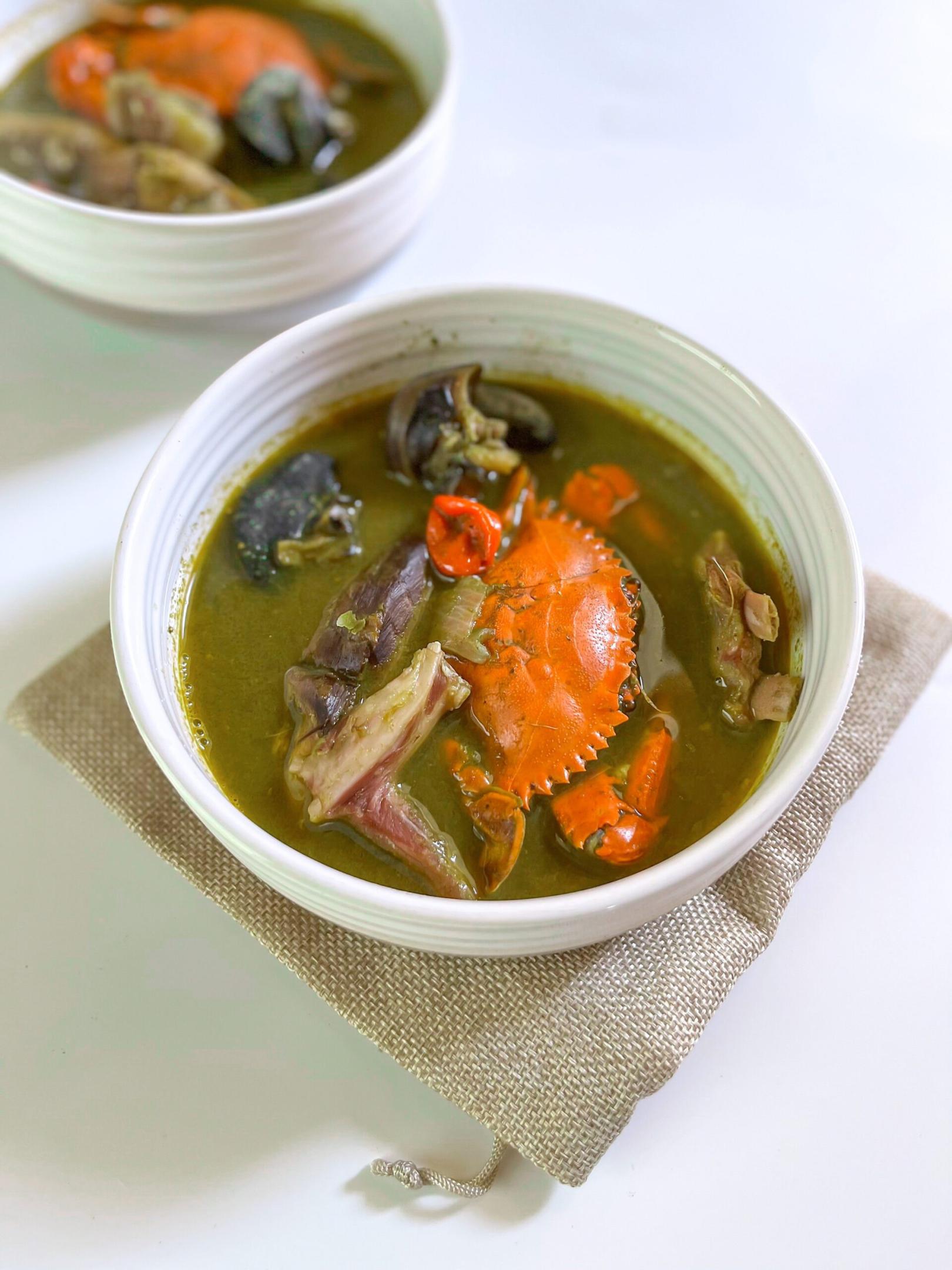
Ghanaian food can absolutely be part of a weight loss journey. Not a modified, stripped-back, joyless version of it, the actual food. Jollof, fufu, kontomire stew, banku, light soup. The food you grew up with, the food that makes sense to you, the food that does not require a separate shopping list and a forty-minute YouTube tutorial to prepare.
The idea that Ghanaian food is inherently fattening is a myth worth dismantling properly. Traditional Ghanaian cooking is built around whole ingredients; legumes, fish, leafy greens, fermented grains, root vegetables, palm-based soups. These are not the problem. The problem is what happens to eating patterns when life gets busier, portions get larger, vegetables get fewer, and drinks get sweeter. That is not a Ghanaian food problem. That is a modern lifestyle problem that happens to be expressed through Ghanaian food.
Here is how to lose weight without losing your food culture.
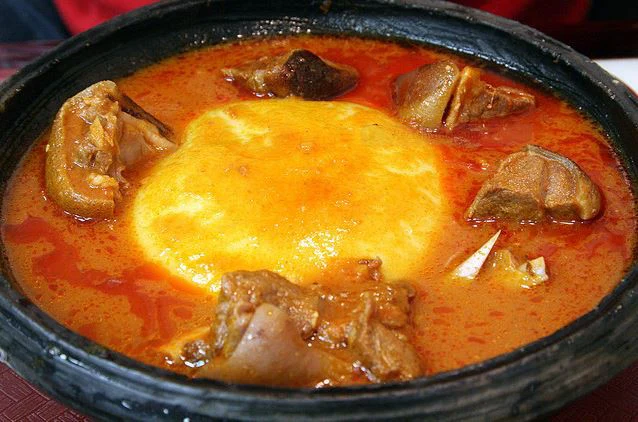
Look at what traditional Ghanaian meals are actually made of. Light soup is fish or meat with tomatoes, peppers and water; high protein, relatively low calorie, full of micronutrients. Kontomire stew is leafy greens with eggs or fish; iron, folate, protein, fibre. Beans and plantain is plant protein with a complex carbohydrate. Kenkey with pepper sauce and fish is a fermented whole grain with omega-3s and vegetables.
These are not foods that cause weight gain. They are foods that, eaten in appropriate portions with adequate vegetables, support weight management perfectly well.
What changes the picture: very large portions of the starchy component, very little vegetable or soup relative to the starch, high-calorie drinks alongside meals, eating late at night, and limited movement. None of those are unique to Ghanaian food culture. They are patterns that develop when people get busy, stressed and disconnected from how they used to eat.
The food is not the issue. The pattern around the food is the issue. And patterns can be adjusted without abandoning the food entirely.
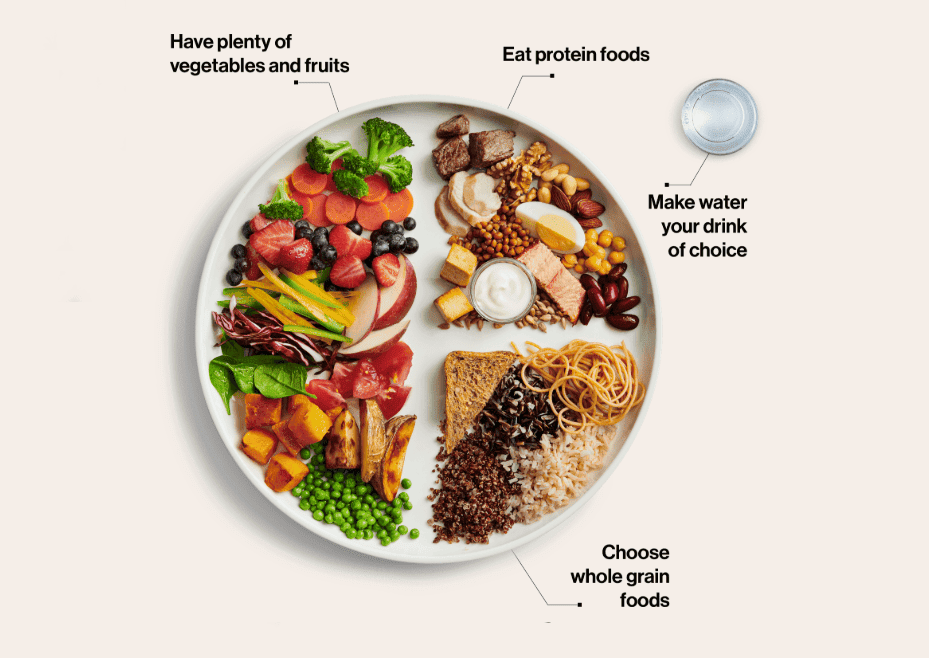
Rather than calorie counting, which is accurate in theory and unsustainable in practice for most people, a plate-based framework is more useful and more realistic.
At each main meal, aim for roughly half the plate to be vegetables or soup. A quarter protein. A quarter starch. In Ghanaian food terms: a generous serving of kontomire stew or light soup or garden egg sauce, a fist-sized portion of fish or chicken, and a moderate amount of rice or yam or fufu.
This does not mean tiny portions of the things you enjoy. It means the proportions shift slightly so that the vegetables and protein are doing more of the work and the starch is supporting rather than dominating.
The practical effect of this is that you eat satisfying, familiar meals and consume fewer calories without tracking a single number.

A few specific adjustments make a significant difference without requiring you to overhaul everything:
Sugary drinks. Malt drinks, bottled juices, fizzy drinks alongside meals add substantial calories that register almost nothing in terms of satiety. Water, sobolo without added sugar, or plain tea are the straightforward swap.
Frying frequency. Not frying at all is not the goal, that is not realistic. But shifting from frying as the default to grilling, boiling or stewing as the default, with frying as the occasional choice, changes the calorie picture considerably over a week.
Oil quantity in stews. Many stew and soup recipes use more oil than is necessary for the flavour. Reducing the oil gradually, not eliminating it cuts calories without noticeably changing the taste.
White bread as a staple. Bread eaten frequently between meals or alongside already-substantial meals adds calories without much nutritional return. Wholemeal versions, eaten in smaller amounts, are the practical adjustment.
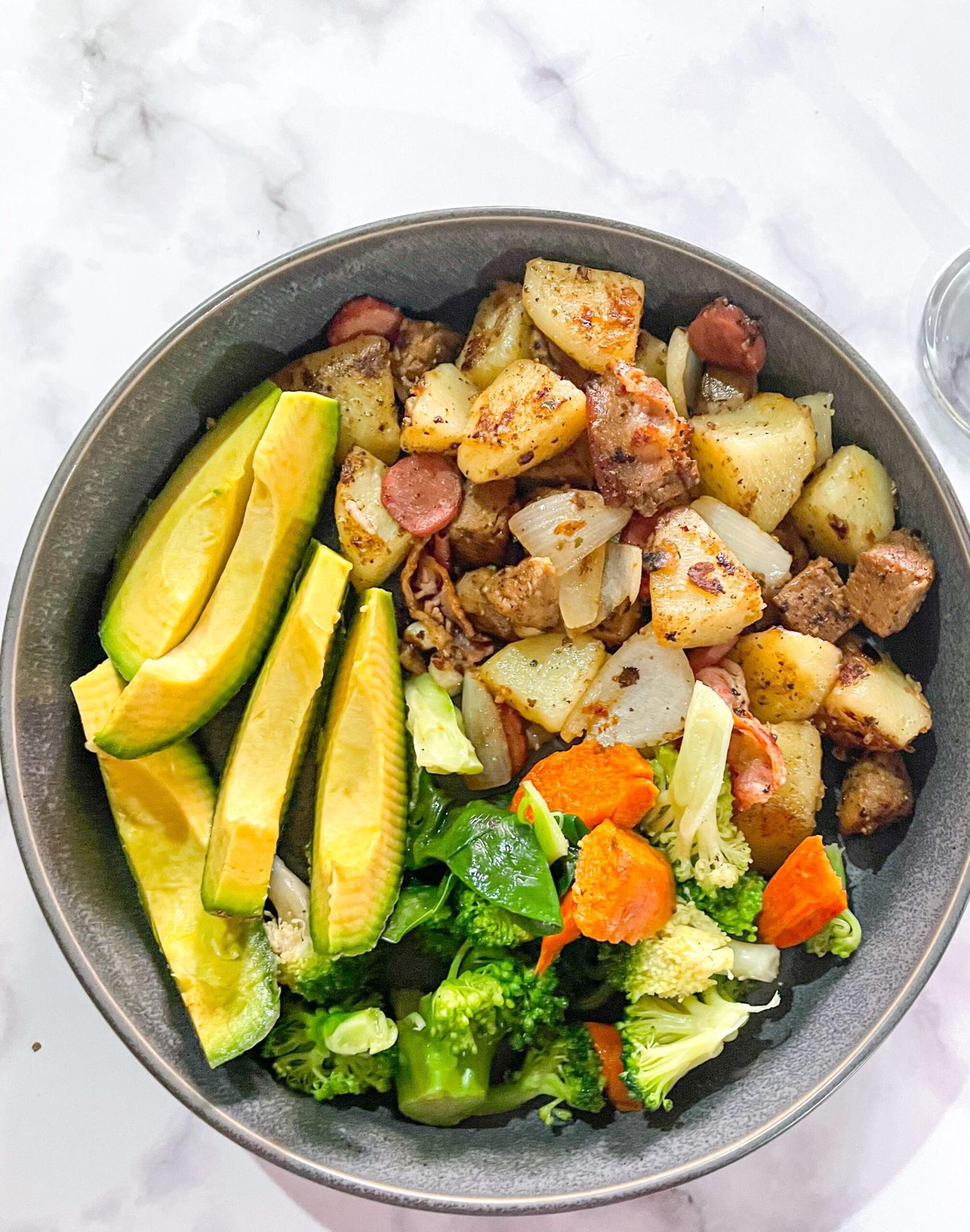
This is not a strict plan. It is a template showing what a week of real Ghanaian food, structured for weight loss, actually looks like in practice.
| Day | Breakfast | Lunch | Dinner |
| Mon | Oats, groundnuts, banana | Kontomire stew, brown rice | |
| Tue | Boiled egg, wholemeal bread, tea | Bean stew, boiled plantain | Grilled tilapia, garden egg sauce, yam |
| Wed | Koko, groundnuts | Jollof, chicken (fist of rice, palm of protein) | Oilless okro soup, banku |
| Thu | Egg stew, wholemeal bread | Waakye, fish, salad, small spaghetti | Banku with oilless okro |
| Fri | Oats, fruit | Brown rice, chicken, kontomire stew | Grilled fish, boiled plantain, garden egg |
| Sat | Wholemeal bread, egg, tea | Jollof, turkey, mixed veg | Light soup, veg, yam |
| Sun | Koko, koose | Light soup, fish, fufu | Bean stew, plantain or yam |
Every meal here is recognisably Ghanaian. Nothing has been replaced with a salad or a protein shake. The adjustments are in proportion, preparation method and what accompanies the main dish.

Consistency over perfection. A week of eating like the table above, followed by a weekend of abandoning everything and restarting with guilt on Monday, produces very little over time. A slightly less optimal version of this, maintained consistently for months, produces significant results.
The goal is to make this feel like how you eat, not like a diet you are temporarily enduring. That happens when the food is still recognisably yours, when the adjustments are gradual enough that they do not feel like deprivation, and when the structure is simple enough to maintain without constant effort.
If you want a structured plan that takes this framework and turns it into a specific, personalised approach for your body, your goals and your schedule, the Lose It In 30 plan does exactly that. [https://theweightgoals.com/product/lose-it-in-30/]
Okekunle et al. (2024). Sustainable Diet Index for Ghanaian adults: RODAM Study. Nutrition Journal, 23, 117.
Ministry of Food and Agriculture & University of Ghana School of Public Health. (2023). Ghana Food-Based Dietary Guidelines.
Yussif, M. T., Morrison, A. E., & Annan, R. A. (2024). Obesity among Ghanaian adults — systematic review. PLOS Global Public Health, 4(1), e0002844.


This really helped me a lot.